

our
Initiatives
Reform
REFORM AT J4EM BRINGS TOGETHER DIVERSE GROUPS THROUGH COLLABORATION AND COALITION.
We work alongside policymakers, scholars, grassroots organizations, activists, and directly impacted communities to design effective alternatives to misguided systems and to advance evidence-based approaches that lead to durable institutional and policy change. This collaborative model not only improves the equity and accountability of legal systems but also fosters civic engagement and strengthens the resilience of democracy itself.

The Fight for a Fairer Juvenile Justice System in Connecticut
In partnership with Connecticut State Representative Kadeem Roberts and a coalition of state and local organizations, J4EM is leading an effort to establish equitable sentencing practices for young people in Connecticut.
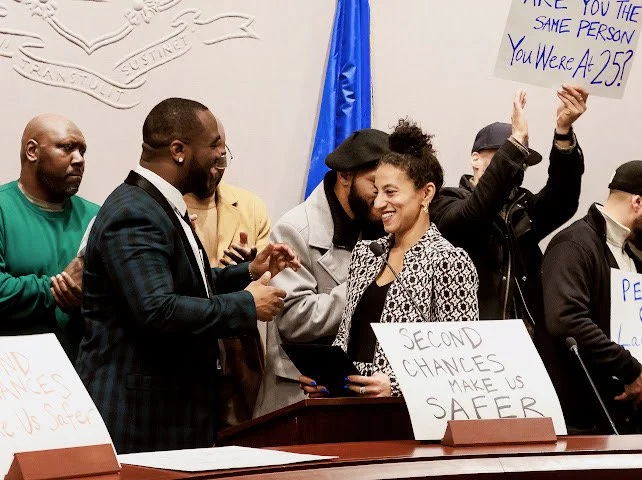
Across the country, outdated sentencing laws have trapped thousands of people in decades-long prison terms for mistakes made as teenagers or young adults—long after science, experience, and common sense tell us they have changed. Connecticut’s statute illustrates the problem clearly: individuals sentenced before October 1, 2005, are eligible for early parole, while those sentenced after that date are not, even when they were the same age at the time of the offense, share comparable records, and have demonstrated the same growth while incarcerated.
This cutoff is not only irrational; it is profoundly unequal. Roughly 90 percent of those excluded from early parole eligibility in Connecticut are people of color. Black youth in the state are incarcerated at 13.5 times the rate of white youth—the highest racial disparity in the nation. Justice should not hinge on the date of sentencing, nor should it be shaped by race.

85%
More than 85 percent of those excluded from early parole eligibility in Connecticut are people of color.
13.5X
Black youth in the state are incarcerated at 13.5 times the rate of white youth
As part of the Coalition on Communal Healing Through Justice Reform (CCHJR), J4EM is working to change this law in two key ways. First, we seek to raise the age of parole eligibility from under 21 to under 26, in keeping with neurological research and the Supreme Court’s recognition that young people’s brains—and their capacity for change—continue developing well into their twenties. Second, we aim to eliminate the October 1, 2005 cutoff so that all young people are judged by who they are today rather than the year they were sentenced.
States such as Pennsylvania and California, which have enacted similar “second-look” laws, report extremely low rates of reoffense among those granted early parole. In Connecticut, taxpayers spend more than $62,000 annually to incarcerate a single person—funds that could instead support education, mental health care, housing, and reentry programs proven to reduce crime and strengthen public safety. Releasing even a modest number of eligible individuals would save the state millions each year while reinforcing families and communities.
Most importantly, this reform affirms the possibility of redemption. Consider J4EM’s own Director of Community Outreach, Maurice Blackwell. Sentenced to sixty years in prison at age nineteen, Maurice was released after serving twenty-five years as a result of earlier juvenile justice reforms. He transformed his life, earning a college degree in prison, mentoring others, and returning home as a community leader. The current law denies hundreds of young people like Maurice that same opportunity.
Connecticut now has the chance to lead the nation in making its justice system fairer, safer, and more humane. Eliminating the sentencing cutoff and raising the age of parole eligibility are essential steps toward that future.

OTHER INITIATIVES:
Reconceptualizing legal strategies as a means of structural repair and restoration, ensuring outcomes that are fair and effective.
EDUCATION
Reconceptualizing legal strategies as a means of structural repair and restoration, ensuring outcomes that are fair and effective.
ADVOCACY
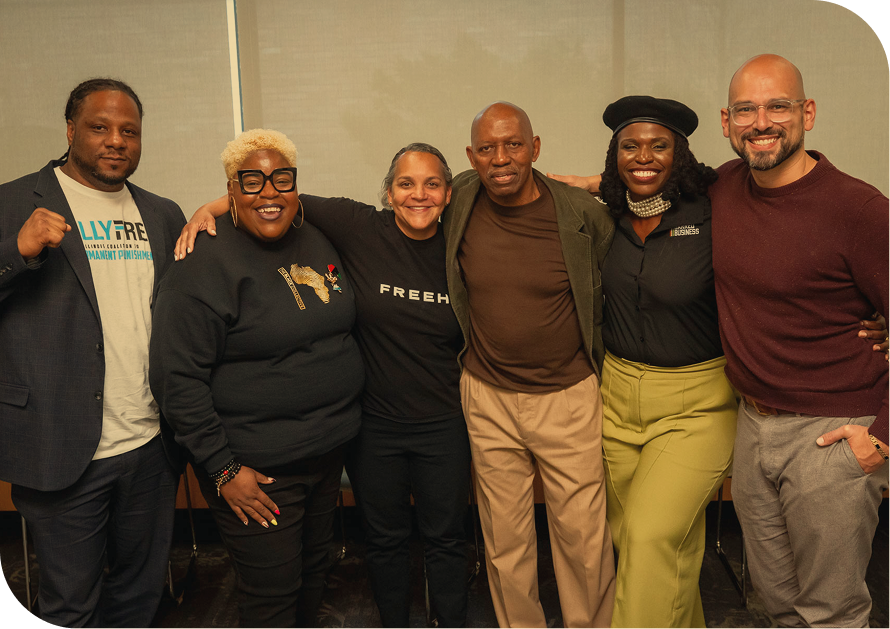
Collaborating with key stakeholders and communities to motivate, inspire, and embolden participation in confronting urgent, often intractable challenges.