

our
Initiatives
ADVOCACY
Reconceptualizing legal strategies as a means of structural repair and restoration.
At J4EM, advocacy means developing legal strategies that move beyond case-by-case remedies toward outcomes that are fair in principle and effective in practice. By engaging history, empirical research, and the lived realities of system-impacted communities, we design interventions that confront entrenched inequities and create lasting change.


Challenging Discrimination in the Law Project
As part of its educational and policy mission at Yale, the Justice for Everybody Movement houses the Challenging Discrimination in the Law Project (CDLP), an interdisciplinary initiative that convenes law students, doctoral candidates, and data scientists to co-author expert declarations in litigation challenging racially discriminatory laws under the Arlington Heights doctrine.
CDLP bridges legal advocacy, historical research, and quantitative analysis to illuminate the origins and consequences of federal statutes whose burdens fall disproportionately on communities of color. Drawing on government archives and empirical datasets, the program builds a deeper record of legislative intent and disparate impact. By integrating empirical methods with archival legal history, CDLP equips students with the tools to contest discriminatory statutes and envision a more just legal framework.
Already, CDLP has partnered with federal defender offices, public interest organizations, and academic experts to develop case-specific declarations and train students in methods of legal history, data science, and litigation strategy. For students, it provides a rigorous, hands-on experience that fuses deep intellectual inquiry with real-world impact—offering a rare opportunity in legal education to apply historical and empirical tools directly in the pursuit of social justice. Participants also receive specialized training in archival research and empirical analysis.
The program’s approach emerged through a series of collaborations, beginning with an examination of the origins of 18 U.S.C. § 860(a), a statute criminalizing drug activity near public housing. Since then, its partnerships have extended to challenges involving firearm enhancements, material support statutes, drug laws, and the misallocation of public funding, all dedicated to bringing to light the hidden histories and unequal consequences that reveal discriminatory intent.
OTHER INITIATIVES:
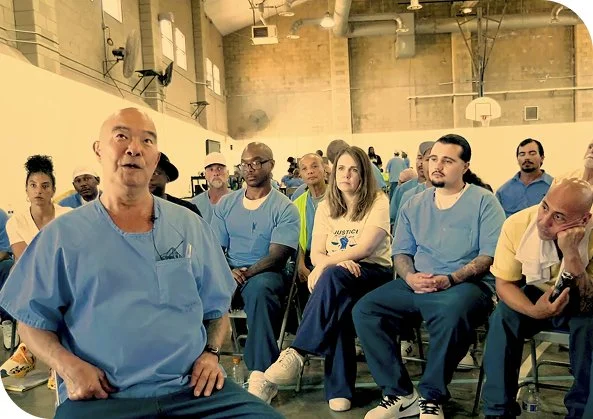
EDUCATION
Developing accessible research and civic learning tools that empower system-impacted communities, students, and the broader public to think critically about law, democracy, and safety.
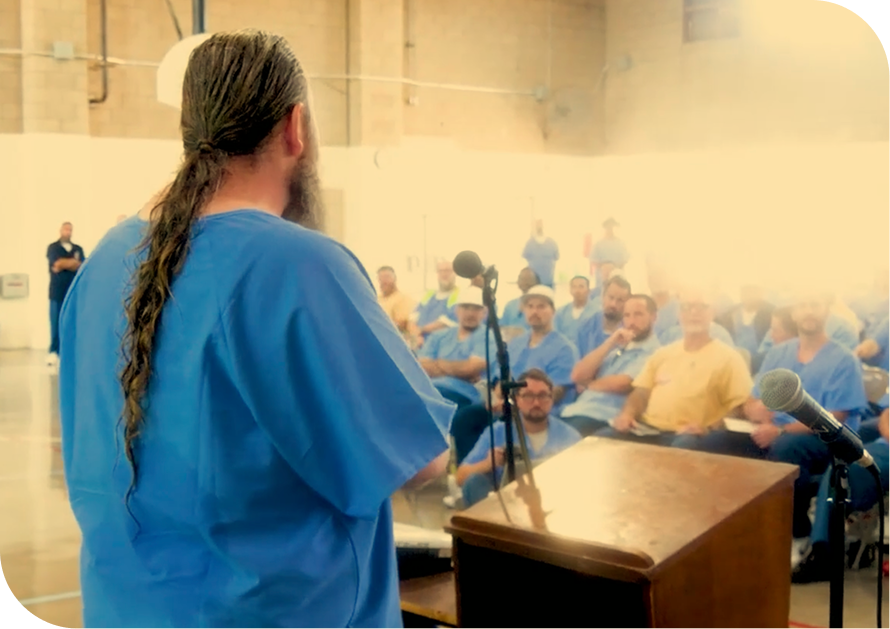
REFORM
Advancing evidence-based approaches that translate into durable institutional and policy change, improving the equity and accountability of legal systems.
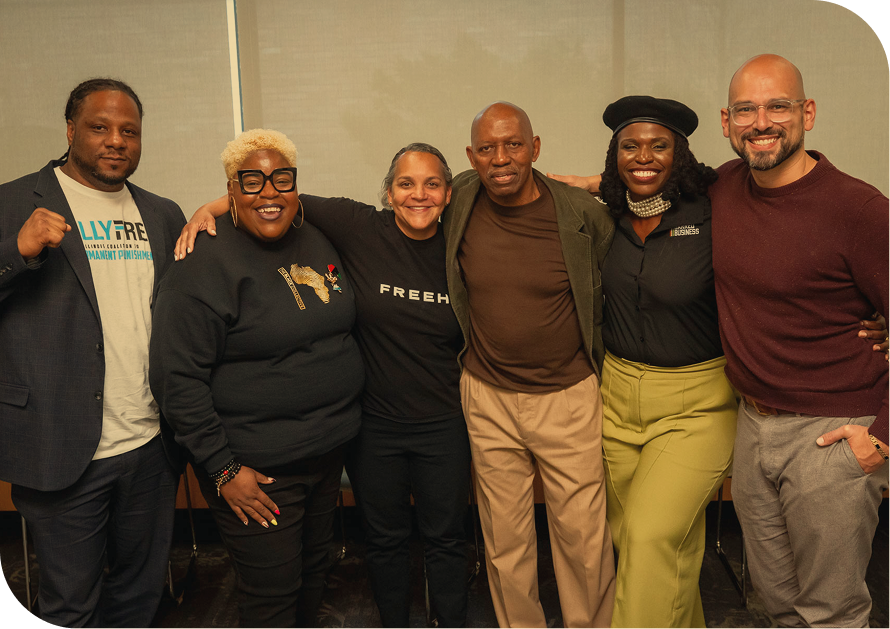
Collaborating with key stakeholders and communities to motivate, inspire, and embolden participation in confronting urgent, often intractable challenges.